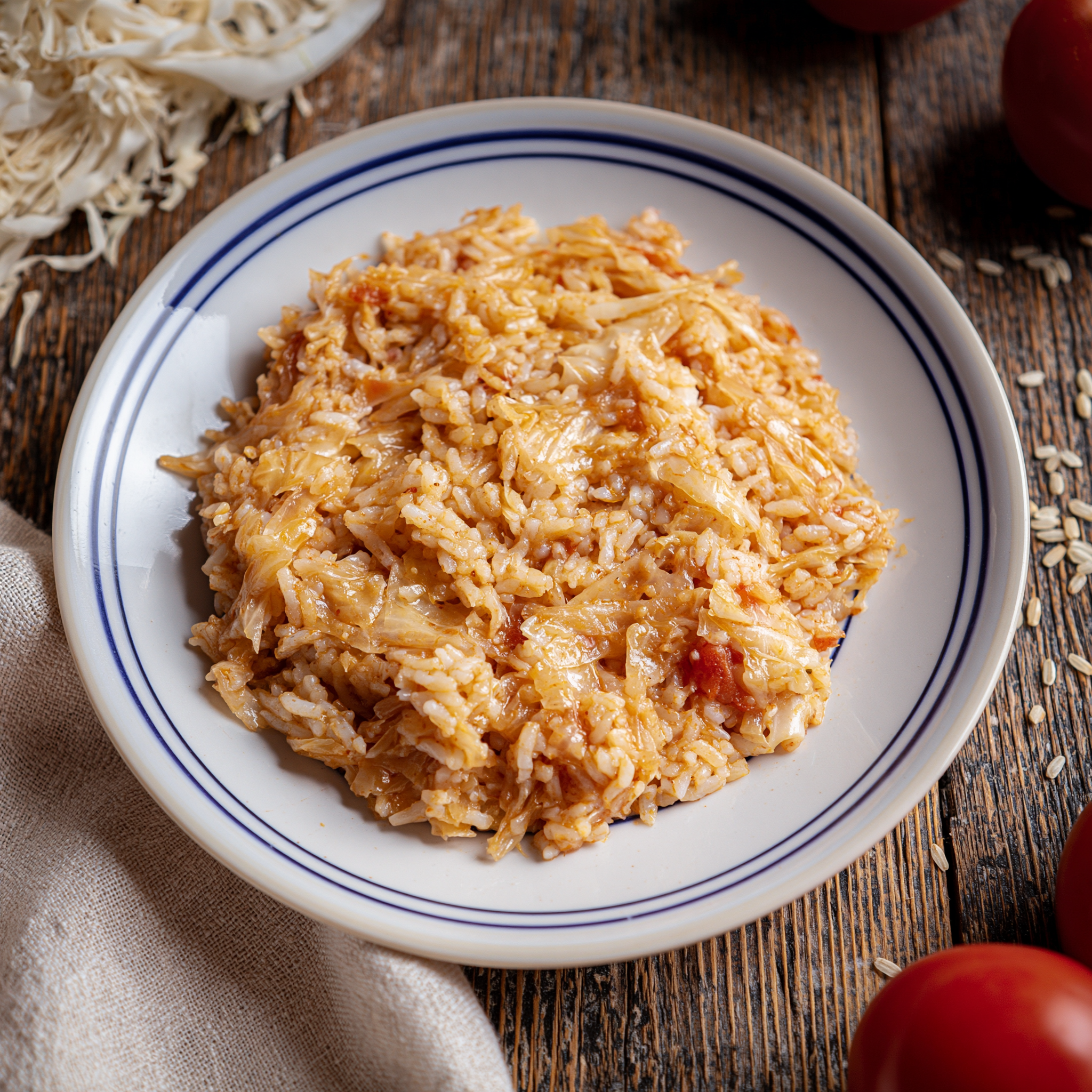
Zucchini Hibachi Style is one of those dishes that looks simple but can easily go wrong if the heat or timing is off. I’ve had versions that turned soggy within minutes, and others that barely picked up any flavor. The difference always comes down to how fast you cook and how you layer the seasoning. When done right, the zucchini stays slightly firm, the onions soften just enough, and everything carries that glossy, savory coating you expect from a hibachi grill.

What makes this Zucchini Hibachi Style work is the balance between high heat and restraint. You’re not overcrowding the pan, and you’re not drowning it in sauce. The quick sear locks in texture, while the combination of teriyaki and soy builds depth without overpowering the vegetables. It’s the kind of side dish that quietly steals attention from whatever else is on the plate, and once you get the timing down, it becomes second nature.
Why this recipe works so well
- Finishing touch — Sesame seeds added at the end bring a subtle nuttiness and slight crunch that rounds out the dish.
- High heat timing — Cooking over medium-high heat for a short window keeps the zucchini tender-crisp instead of soft and watery.
- Layered seasoning — Adding sauces after the initial sear prevents burning while allowing the flavors to coat evenly.
- Texture control — Cutting uniform wedges ensures even cooking so nothing turns mushy before the rest is ready.
- Balanced flavor — The mix of teriyaki and soy sauce creates a sweet-salty glaze without overwhelming the natural zucchini taste.
Zucchini Hibachi Style FAQ
How do I keep Zucchini Hibachi Style from getting soggy?
Use high heat and avoid overcrowding the pan so moisture evaporates quickly instead of steaming the zucchini.
Can I make Zucchini Hibachi Style ahead of time?
It’s best served immediately, but you can prep the vegetables in advance to speed things up.
What oil works best for Zucchini Hibachi Style?
Safflower oil is ideal due to its high smoke point, but any neutral oil like canola will work well.
Why is my Zucchini Hibachi Style bland?
You may have added the sauce too early or used too little; seasoning at the right stage makes a big difference.
Can I add other vegetables to Zucchini Hibachi Style?
Yes, but choose quick-cooking vegetables like mushrooms or bell peppers so everything cooks evenly.
Customization & Pairings
Add protein — Toss in cooked chicken, shrimp, or steak at the end; the savory glaze clings well and turns this into a complete meal.
Boost umami — A small splash of garlic butter or a pinch of MSG enhances the savory depth without changing the core flavor.
Increase heat — Extra red pepper flakes or a drizzle of chili oil adds contrast to the sweet teriyaki notes.
Add acidity — A light squeeze of lemon at the end brightens the dish and cuts through the richness of the oil and sauce.
Serve with rice — Plain steamed rice absorbs the glossy sauce and balances the saltiness, making each bite more rounded.

Ingredients
Zucchini: Choose firm, medium-sized zucchini with smooth skin; oversized ones tend to be watery and less flavorful.
Cooking oil: A high smoke point oil like safflower ensures proper searing without burning or off flavors.
Onion: Sweet or yellow onions work best, offering mild sweetness that balances the salty sauces.
Teriyaki sauce: Look for a thicker, glossy version for better coating and a slightly sweet finish.
Soy sauce: Use regular soy sauce for full flavor; low-sodium works but may require slight adjustment.
Red pepper flakes: Fresh flakes provide better aroma and a cleaner heat compared to older, dull spices.
Black pepper: Adds subtle depth and mild heat; freshly ground gives noticeably better flavor.
Sesame seeds: Lightly toasted seeds bring aroma and a gentle crunch that enhances the final texture.
Zucchini Hibachi Style step by step
- Prep vegetables — Wash and trim the zucchini, cut into 2-inch sections, then slice each into wedges while cutting the onion into large chunks for even cooking.
- Heat pan — Place a wok or large skillet over medium-high heat and add the cooking oil, letting it heat until it shimmers slightly.
- Start cooking — Add zucchini and onion to the hot pan, spreading them out so they make contact with the surface and begin to sear.
- Initial sauté — Cook for about 2 minutes, stirring occasionally, until the edges start to lightly brown and the onions soften slightly.
- Add sauces — Pour in the teriyaki sauce and soy sauce, tossing immediately so everything gets evenly coated.
- Season — Sprinkle in red pepper flakes and black pepper, stirring to distribute the seasoning while the sauce begins to glaze.
- Finish cooking — Continue cooking for 3–4 minutes, stirring occasionally, until the zucchini is tender but still holds its shape.
- Garnish and serve — Remove from heat, sprinkle with sesame seeds, and serve immediately while hot and glossy.

You might also like…

Zucchini Hibachi Style
Ingredients
- 3 medium zucchini
- 2 tbsp cooking oil
- 1 medium onion
- 2 tbsp teriyaki sauce
- 1 tbsp soy sauce
- 1/4 tsp red pepper flakes
- 1/4 tsp black pepper
- 1 tsp sesame seeds
Instructions
- Wash and trim the zucchini, cut into 2-inch pieces, then slice into wedges while cutting the onion into large chunks.
- Heat oil in a wok or large skillet over medium-high heat until shimmering.
- Add zucchini and onion, spreading them out to sear and cook for about 2 minutes with occasional stirring.
- Pour in teriyaki sauce and soy sauce, tossing quickly to coat the vegetables evenly.
- Add red pepper flakes and black pepper, stirring as the sauce begins to form a light glaze.
- Cook for another 3–4 minutes until zucchini is tender but still slightly firm.
- Remove from heat, sprinkle with sesame seeds, and serve immediately.